
By Keaton Hargett (@KeatonItReal_ ) on X
Front Porch Sports
July 25, 2025
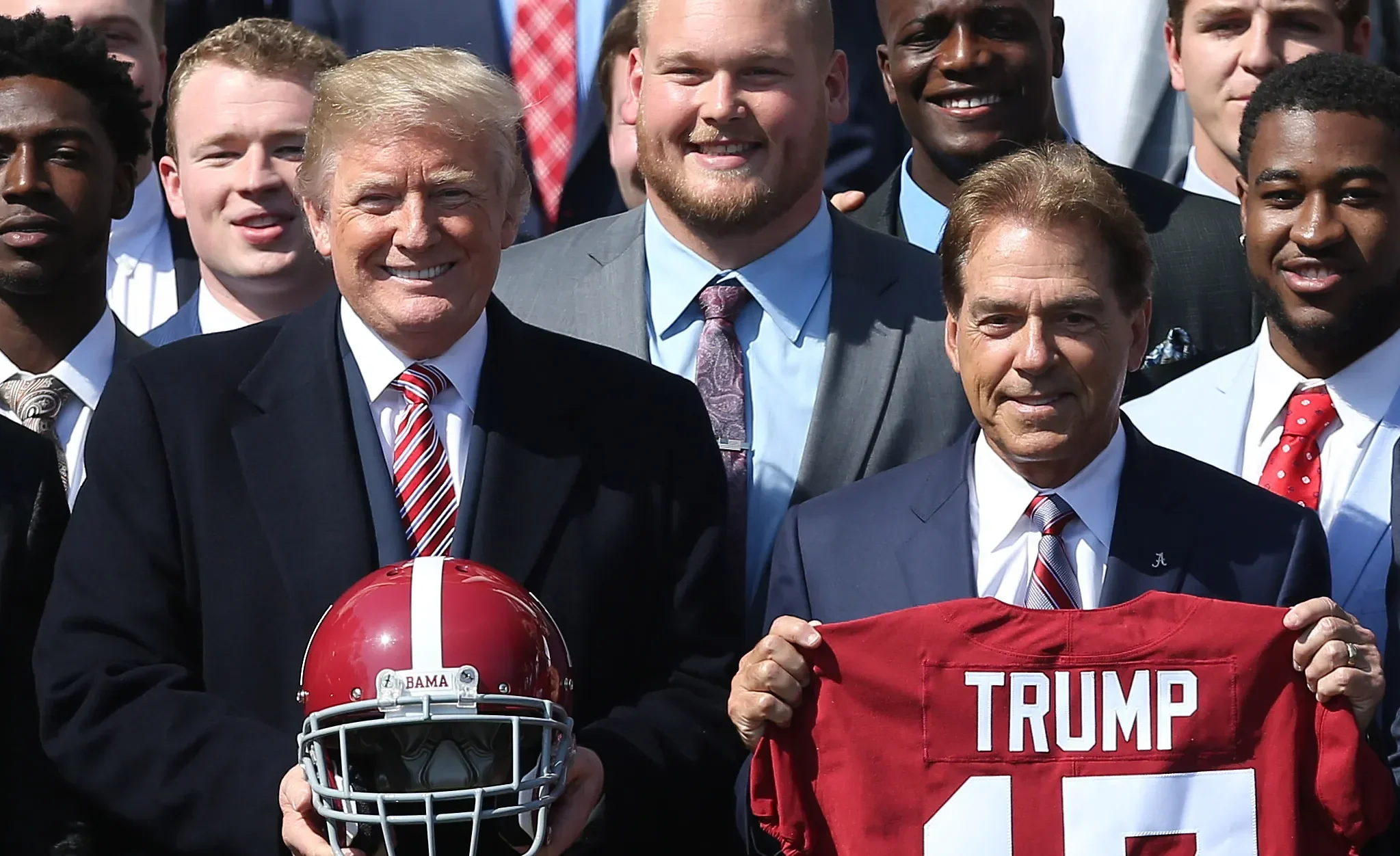
President Donald Trump signed an executive order on Thursday, July 24, 2025, targeting the chaos in college sports driven by Name, Image, and Likeness (NIL) deals. The order bans third-party pay-for-play payments, clarifies athlete status, and pushes to protect scholarships and non-revenue sports. Here’s the full rundown—what it says, what it means, and what’s next.
Sponsored Content
The College Athletics Players Association (CAPA) is the first official Players Union built for you—whether you’re a football star, a basketball sharpshooter, or a track standout. CAPA’s mission is to protect your rights, maximize your Name, Image, and Likeness (NIL) earnings, and ensure fair treatment across all NCAA sports. With recent changes like President Trump’s executive order shaking up college athletics, CAPA’s here to fight for your scholarships, your future, and your voice.
Joining is free, easy, and gives you a seat at the table. Visit https://www.collegeathleticspa.com/ to sign up and get in on the action. Don’t just play the game—change it with CAPA!

What the Executive Order Does
- Bans Third-Party Pay-for-Play Payments
The order prohibits payments from boosters, collectives, or other third parties designed to lure athletes to specific schools. These deals, often disguised as NIL agreements, have seen top athletes pocket millions—some reports cite schools spending over $50 million annually to secure talent. Legitimate NIL deals, like endorsements for brands or local businesses, are still allowed, but they must reflect fair market value, not just cash for picking a team. - Clarifies Athlete Status
The order directs the Secretary of Labor and the National Labor Relations Board (NLRB) to confirm that college athletes are students, not employees. This is a direct shot at efforts to unionize players or treat them like pros on a payroll, following cases like Dartmouth v. NLRB (2024), where courts leaned toward athlete labor rights. - Protects Scholarships and Non-Revenue Sports
Schools with athletic revenues over $50 million can’t cut scholarships for women’s or non-revenue sports (think track, swimming, gymnastics). Those pulling in over $125 million must expand scholarship opportunities. This aims to preserve the diversity of college athletics, ensuring football and basketball don’t hog all the resources. - Calls for Enforcement
The White House gave top officials 30 days to figure out how to enforce this, possibly by tying compliance to federal funding or Title IX regulations. Details are still murky, as the full order hasn’t been released.
Why This Matters
Since the Supreme Court’s 2021 NCAA v. Alston ruling opened the door to NIL, college sports have been a free-for-all. Boosters and collectives—think groups like Texas’ Clark Field Collective or Alabama’s Yea Alabama—have funneled millions to athletes, often with little oversight. A 2023 report estimated the top 10 programs spent $20–$50 million each on NIL deals, with quarterbacks and basketball stars banking seven-figure sums before their freshman year. State laws vary wildly, creating a patchwork where some schools have an edge just because of looser rules.
This order tries to level the playing field by:
- Stopping “Bag Men” Deals: No more boosters paying kids to sign with their school. This could slow the arms race where programs outbid each other for talent.
- Protecting the Amateur Model: By reinforcing that athletes aren’t employees, it aims to keep college sports distinct from pro leagues, dodging unionization or salary caps.
- Saving Smaller Sports: Non-revenue programs, which often get slashed to fund football, get a lifeline. This also strengthens Title IX compliance, ensuring women’s sports aren’t sidelined.
- Creating National Standards: With no uniform federal law, the NCAA has been begging for Congress to act. This order is a stopgap, bypassing Capitol Hill gridlock.
The Challenges Ahead
This isn’t a slam dunk. Here’s why:
- Legal Pushback: Athletes have won big in court lately—think House v. NCAA (2024), which secured revenue sharing. Banning pay-for-play could face lawsuits, especially if enforcement lacks teeth. X users like @neoavatara are already calling it a long shot against athlete-friendly courts.
- Enforcement Questions: Tying this to federal funding or Title IX sounds tough, but Congress might not play ball. Without clear rules, schools could exploit loopholes, like rebranding pay-for-play as “NIL consulting.”
- Congress Still Matters: The NCAA and Power Five want the SCORE Act, which passed two House committees in July 2025. It needs seven Democratic Senate votes to survive a filibuster—a tough ask in a polarized climate. Without federal law, this order could vanish under a new president.
- Fan and Industry Divide: X is buzzing with mixed takes. Some fans cheer the return to amateur roots; others say it’s unfair to limit athletes’ earnings while coaches and schools rake in billions. Athletic directors are cautiously optimistic but nervous about legal and logistical hurdles.
What’s Next?
The next 30 days are critical. The White House’s enforcement plan will show whether this is a game-changer or just noise. If tied to federal funding, schools might comply fast—nobody wants to lose that cash. But if courts strike it down or Congress stalls, we’re back to square one. The SCORE Act remains the NCAA’s best hope for a permanent fix, but its Senate odds are slim.
For athletes, this could mean fewer shady deals but also less cash upfront. For fans, it’s a push to keep college sports about rivalries and tradition, not who’s got the deepest pockets. For schools, it’s a wake-up call to clean up their act or risk federal scrutiny.
We’ll keep tracking this at Front Porch Sports. Got thoughts? Hit us up on X @FrontPorchU. Is this order a win for fairness or a step back for athletes? Let’s hear it.
One thought on “Trump’s College Sports Executive Order: Everything You Need to Know.”